


Dr. Eboni Green
December 30, 2021
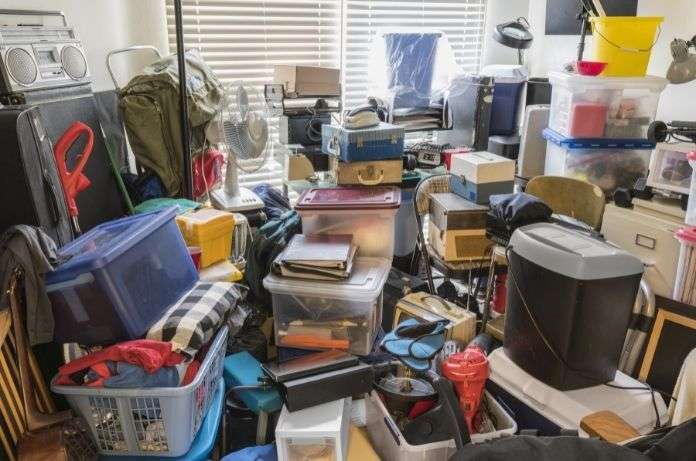
It’s shocking and worrisome to enter a loved one’s home and find it so stuffed with old magazines, crockery, or any manner of other everyday things that you can’t move easily from room to room. Here’s what to do if your loved one is a hoarder.
If you’re not a licensed mental health professional, don’t pretend that you are. The information in this article should be regarded solely as information, not as professional advice.
Trying to give a hoarder advice or discarding their possessions in an attempt to force them to get well will backfire. Hoarders become distraught if someone tries to take their things. They often don’t see hoarding as a problem and will resist admitting that the behavior is irrational. Hoarding is how they live, so taking their things feels like a personal assault.
Focus on the person, not the possessions. Ask questions about how your loved one feels. Hoarding is often an indication of a co-occurring problem, such as anxiety or depression. Make sure to tell them you love them.
Gently introduce the idea of getting help to learn how and why to change their behavior. Remember that in most states, unless your loved one is a serious and imminent danger to themselves or others, you can’t force them to get treatment.
Learn as much as you can about hoarding from mental health and medical organizations. Find a support group for people who are concerned about a family member’s hoarding behavior. Research local mental health professionals that provide treatment to people with hoarding disorders and consult with them about how to get help for your loved one. The most common type of treatment for hoarding disorders is cognitive behavioral therapy.
A hoarder can’t get better if family and friends enable their behavior. Saving items on their behalf or providing additional space for their stuff won’t help them recognize their behavior as abnormal. Be firm about boundaries; your home, car, or closet is not their storage locker.
Instead of taking their things or enabling hoarding behavior, offer to help sort and organize things and clean their home. As their home becomes more livable, your loved one may become more receptive to help and healing. Even if it’s just one old newspaper, offer praise and celebration if your loved one is able to discard something without becoming upset.
With professional help, a hoarder may eventually be ready to let go of a substantial number of their things. When their therapist says they’re ready, offer to help in a compassionate way. Facilitate renting a dumpster to make it possible to safely clean out the home all at once.
Through education and consultation with professionals, you can learn what to do if your loved one is a hoarder.


