

Dr. Eboni Green
October 5, 2021
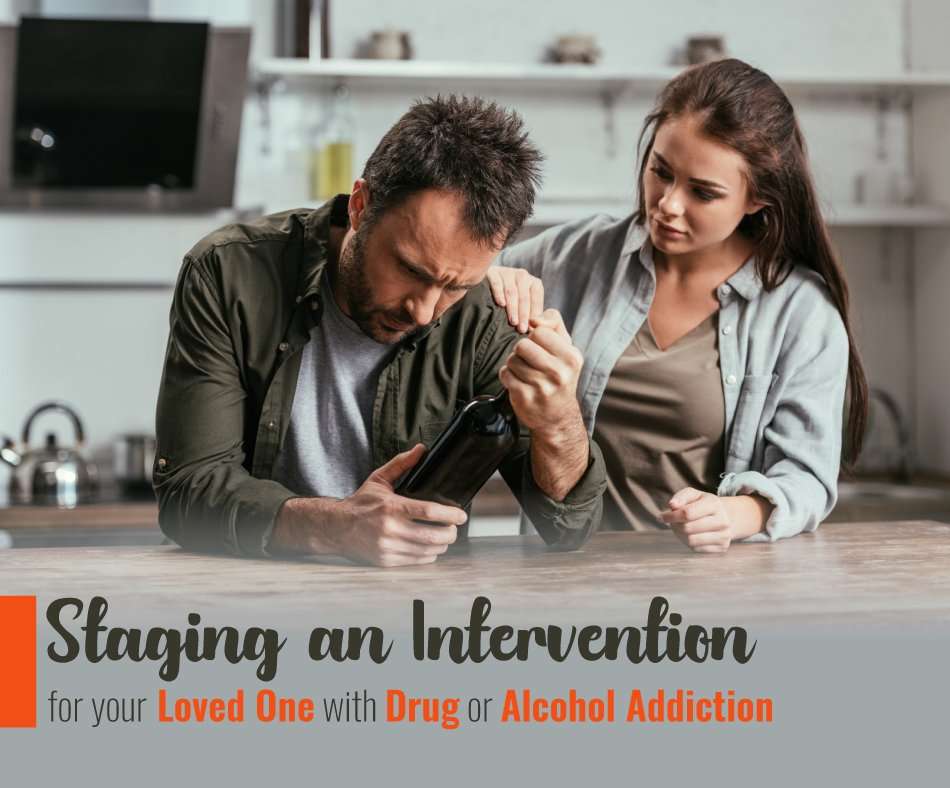
An intervention is a structured way of communicating with your loved ones who might be dealing with addiction. Interventions are mostly supervised by specialists.
An addiction-related intervention, when conducted successfully, allows people to express their feelings healthily while also helping the family member in need. Sometimes, just talking to a person can make things worse. In that case, an intervention specialist or group intervention is a better option.
It is an effective way to show how the addict’s actions are affecting him as well as those around him/her. The final goal is to encourage recovery and achieve sobriety.
Interventions are most helpful when individual family members have been unable to get the person to make healthy changes despite trying everything. It works best on people who cannot see how addiction is destroying them and who are in dire need of going to drug or alcohol treatment centers. It’s also for those in denial that they even have a problem.
When you involve family members and friends in the conversation, it can be a powerful catalyst to encourage seeking help. There’s a better chance the person will listen and accept help.
Below are a few common situations that often warrant interventions –
A poorly planned intervention has the potential to rear its ugly head; causing resentment, anger, and a feeling of betrayal towards family members. That’s why you must plan things out with everyone involved.
It would be best to seek professional advice from an addiction specialist, a psychologist, mental health experts, family counselors, social workers, or an intervention specialist. They will help you organize everything to minimize any damage.
Before taking any major step for enrolling your loved one into an outpatient or inpatient drug rehabilitation program, you should do some legwork. Look into the exact nature of the problem/addiction, the extent of the problem, and what all possible treatment options are available. After this initial research, make arrangements for where you would like to enroll the person to receive the necessary help.
Generally, this is an intervention specialist who acts as a liaison between the group and the addict. He/she keeps the communication going between all parties involved. A specialist knows how to pick the right words that will break the cycle of denial and get the addict to see how real the issue is. A specialist will also be able to identify what kind of treatment your loved one needs, for example – are they suffering from mental health issues in addition to alcohol addiction, and do they need both alcohol and anxiety disorder treatment as part of a dual diagnosis rehabilitation?
Doing this alone could make things worse. The person could become stubborn and refuse to seek any help. Avoid attempting to do an intervention alone.
During the intervention, it’s best to stick with the facts and focus on the solution rather than showing strong emotional responses. If things don’t go as planned, figure out what the next course of action would be. This could mean asking the loved one to move out of the house.
Knowing what to say will avoid things from going south. Make notes of incidences where the person’s addiction caused emotional, financial, or familial repercussions. It’s hard to argue with facts. But, at the same time be sure to express care and sympathize.
Invite the person to the site of intervention without revealing anything. Take turns expressing your individual feelings and concerns. Be sure to present the loved one with possible treatment options on the spot to avoid any delays or contemplation.
Avoid sounding like you’re making threats if the person doesn’t accept the help. Be ready for follow-up and possible consequences.
After the person has accepted the help, you might have to make some changes in the family dynamics. This could mean changing any destructive behavioral patterns, being proactive in participating in group sessions, seeking professional support from one of the well-rated addiction treatment centers, and knowing what to do in case of relapse.
Avoid rushing things
Take your time to plan things. It could take a couple of weeks. However, taking too long could be counterproductive as it could make follow-through difficult for everyone.
Pick the Right Time
It is best to pick a time and date when the person is in a positive and receptive state of mind. Make sure he/she is not under the influence of drugs.
Stage a rehearsal intervention
Appoint one person to keep the conversation going between all the parties. During the rehearsal, decide who will start the conversation, the sitting arrangement, things to talk about, and how to take turns speaking. This will avoid any confusion or fumbling when the real conversation takes place.
Anticipate Potential objections
Prepare calm and rational responses to all the possible excuses the person might make to avoid taking the responsibility or accepting the treatment.
Avoid confrontation
Avoid sounding angry, resentful, or overly emotional during the conversation. Show sympathy, love, support, respect, and concern. Be honest and avoid hostility.
Stay on track during the conversation
It’s easy to go off-track or derail from what you prepared when faced with hurtful accusations or anger from the loved one. In that case, stick with the plan to encourage the desired outcome.
Take an immediate course of action
Do not give time for the person to contemplate the issue as it might result in denying the problem. They may even indulge in a binge session. If things go smoothly, get started with an evaluation as quickly as possible.
An intervention, when performed wisely, is a great way to open your loved one’s eyes to their destructive lifestyle patterns, habits, and behavior. However, be sure to plan things intelligently to avoid things from going south.


