


Dr. Eboni Green
March 16, 2026
Falls remain one of the most common causes of injury for older adults and individuals with mobility challenges. Caregivers play an important role in creating a safe home environment that supports stability and independence. Simple adjustments inside the home can reduce risks and help loved ones move with confidence.
Caregivers who understand how to prevent falls protect physical health and peace of mind. Let’s look at what caregivers should know about preventing falls at home.
Many falls happen because of everyday hazards that caregivers overlook. Loose rugs, poor lighting, cluttered walkways, and uneven flooring can quickly create dangerous situations. Older adults and individuals with mobility issues may struggle with balance, vision changes, or slower reaction times.
Caregivers should walk through the home and evaluate each room carefully. Pay special attention to stairways, hallways, and areas where people frequently change direction. A careful inspection identifies small problems before they cause serious injuries.
Good lighting prevents missteps and improves spatial awareness. Many homes rely on dim lighting that makes it difficult to see obstacles, especially at night. Caregivers should add brighter bulbs, nightlights, and motion-sensor lighting in high-traffic areas.
Hallways, staircases, and bathrooms require strong lighting for safety. Clear visibility allows individuals to judge distance and avoid unexpected obstacles. This simple change often reduces fall risks dramatically.
Bathrooms present one of the highest fall risks in any home. Wet floors, smooth surfaces, and tight spaces make movement difficult for many people. Caregivers should prioritize safety improvements in this area.
Installing grab bars near toilets and showers provides extra support. Nonslip mats and textured flooring reduce slipping hazards. These upgrades also help caregivers make a bathroom accessible for older relatives who need additional stability.
Many common household items create hidden fall risks. Caregivers should organize spaces so that loved ones can move freely and safely. Small changes greatly reduce accidents.
Look for common fall hazards like these:
Caregivers should remove or secure these hazards as soon as possible. A clean and organized home supports safe movement.
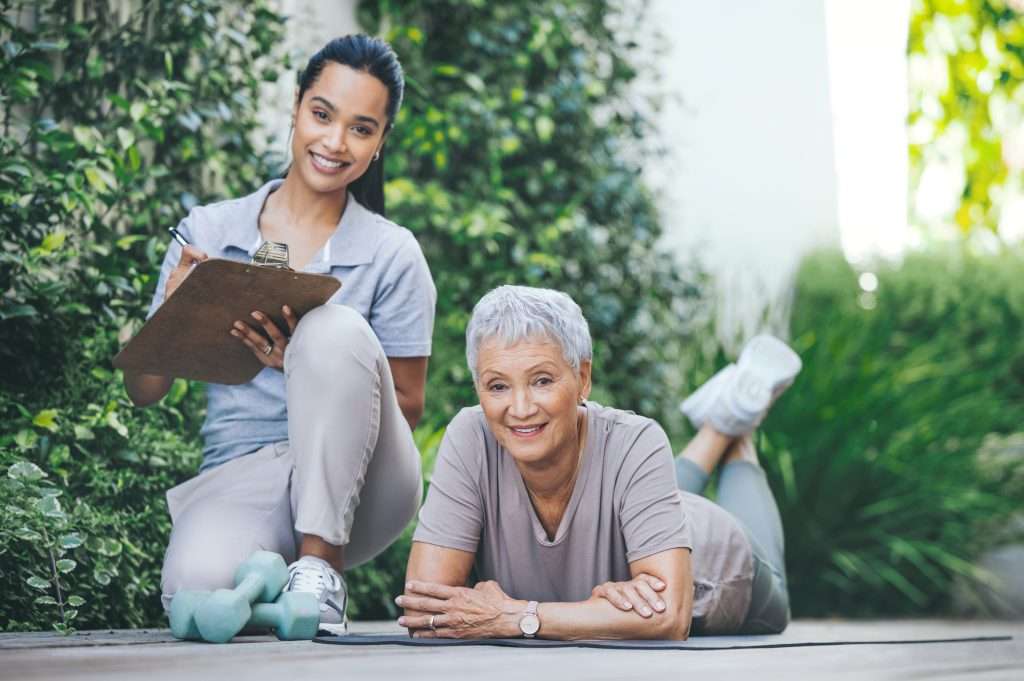
Physical strength and balance also influence fall risk. Regular movement maintains muscle strength, coordination, and confidence while walking. Caregivers should encourage gentle exercises that match the individual’s abilities.
Simple activities like stretching, walking, or chair exercises improve stability. Many healthcare providers also recommend balance training programs designed for seniors. Consistent activity reduces the likelihood of falls over time.
Fall prevention begins with awareness and thoughtful home adjustments. Caregivers who focus on lighting, bathroom safety, organization, and physical strength create a more secure environment for loved ones. Caregivers should know that focusing on fall prevention means small improvements throughout the home, not a complete renovation.


