


Dr. Eboni Green
October 23, 2021
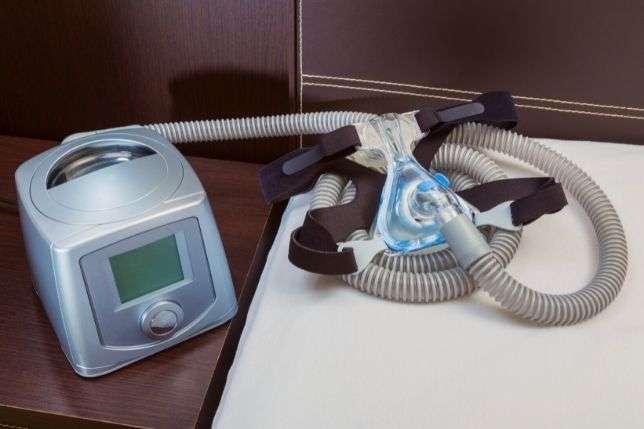
Getting a good night’s sleep can be harder for some people than others, especially with obstructive sleep apnea (OSA). Caring for an individual with this condition can be a challenge because there are so many things to consider. However, utilizing a CPAP machine for patients is a great way to ensure their breathing isn’t interrupted by OSA. These are some practical tips for maintaining your CPAP machine that your clients can utilize every day.
Bleach is one of the most effective cleaning resources to utilize for routine cleaning around the house. However, do not under any circumstance use it when cleaning your CPAP. Even if you dilute it with water and thoroughly rinse things, the fumes will aggravate your lungs, and the chemicals might burn your skin. There are other cleaning materials that specialize in purifying your CPAP that are good for you and the machine.
Incorporating CPAP cleaning into your daily routine is vital for your health. Every night, wearing the mask causes you to sweat, producing oil and dead skin cells. If you don’t consistently clean the mechanisms, bacteria can quickly form, leading to more severe illnesses like pneumonia. Thousands of samples of bacteria will settle on your mask in as little as 48 hours, proving that cleaning your machine needs to be a daily task.
Two key elements to know when setting up your machine are laying it on a flat surface and keeping it away from the sun. Water may come through the mask if the device is higher than your head, which is why it needs to stay on a flat and sturdy surface. Regarding the sun, too much sunlight can destroy your machine and its accessories.
When cleaning your CPAP machine, you should always use clean water without minerals like iron and calcium—distilled water is a good choice. Distilling water removes the hardness from the tap, and using this water to clean your machine gives it more shelf life. The abrasive chemicals can wear down the plastics in a CPAP, causing them to break down.
It’s easy to assume that you’ll never have to worry about parts again once you set things up. However, it’s a wise idea to replace your CPAP tubing every three months because condensation might contaminate your lungs. Additionally, other add-ons like foam filters and the water chamber can last upwards of six months.
Following these practical tips for maintaining your CPAP machine ensures that the machines your patients use will have no complications, making it easier to care for them because you know they are safe and sound. Hopefully, educating them on these tips allows them to have the quality shut-eye we all seek.


