


Dr. Eboni Green
June 28, 2021
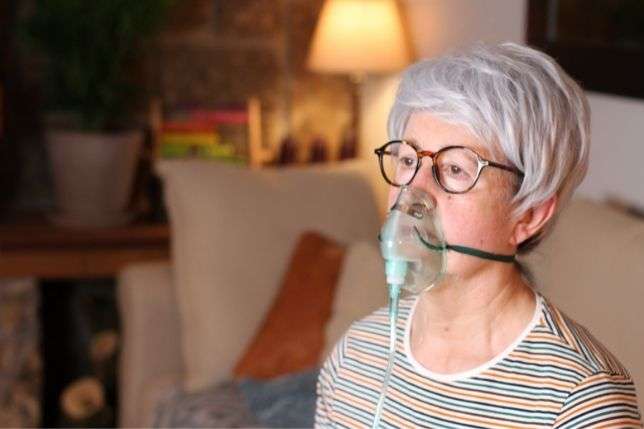
Does your loved one need to be put on a ventilator? This can be a scary time for both them and you. Here’s how to care for and support your loved one.
Mechanical ventilation supports critically ill patients who can’t breathe on their own. Medical professionals will insert a tube into the person’s airway. The ventilator then pumps air through those tubes and into the person’s lungs.
When a loved one is ventilated, they can’t talk because of the tubes down their throat, and they won’t be able to move, eat, or drink by themselves due to sedation. Seeing your loved one in such a state can be scary, but remember: the tubes and ventilator are there to help them.
Wondering how to support a loved one on a ventilator? Here are some things family caregivers can do to make the situation easier for their loved one and for themselves, too.
Most people put on a ventilator are in serious condition. Luckily, the majority of ventilated patients survive the ventilation period and return to their normal lives.
But even though most patients will survive, you can’t ignore the fact that mechanical ventilation comes with a lot of risks. Complications can range from mild infections to lung injuries to death.
You should never lose hope, as the odds are in your loved one’s favor. But you also should prepare yourself for less-than-ideal outcomes. Talking with the nurses and doctors can help you understand your loved one’s current condition, as well as how they’re reacting to the treatment.
Being sedated is a lot like being asleep. Your loved one’s eyes will be closed, and they can’t move or speak. But their brain can still process sounds and sensations. This means they can hear and feel everything around them.
One tip for how to support a loved one on a ventilator is to be comforting. If you spend your time in the hospital room panicking, it can unnerve your loved one. Talking to them in a calm voice and holding their hand, can help them feel at ease.
It’s important to be comforting, but not overwhelming. Being on a mechanical ventilator is overwhelming enough, and the last thing you want to do is cause your loved one unnecessary stress or confusion by talking or touching them too much.
Give them—and yourself—time alone when needed. Your goal is to ensure your loved one knows they aren’t alone in this, and sometimes, simply being there is enough.
Your loved one will have to remain in the hospital for an observation period once off the ventilators. Make sure to continue talking with them and showing support even after the sedation wears off. Continue checking in with the nurses and doctors to discuss the next course of action.
Recovery will take time, but the dedicated care and unwavering support you provide will make your loved one’s healing process easier.


