


Dr. Eboni Green
October 7, 2025
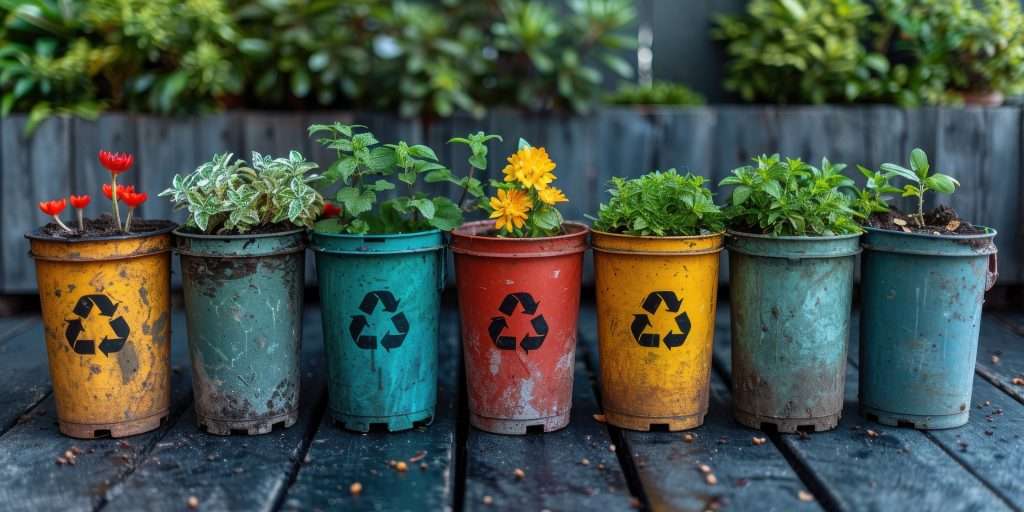
Caring for a loved one with a disability or special needs involves deep commitment, compassion, and responsibility. By integrating sustainable habits into caregiving routines, you can support both your family member and the environment. Eco-friendly practices that you can use as a caregiver not only reduce waste but also create a healthier, more sustainable living space. From the products you select to everyday behaviors, small changes can make a big difference.
Switching to reusable or biodegradable alternatives can greatly reduce household waste. Instead of turning to disposable gloves for every task, consider using washable, reusable gloves when appropriate. Similarly, look for compostable adult diapers or incontinence pads that minimize landfill impact. Cloth-backed medical supplies are an excellent option for items like bandages or underpads. The availability of eco-friendly medical products is on the rise, which means you can rely less on single-use items. Supporting companies that prioritize earth-conscious practices adds another layer to your positive impact.
Simple steps can conserve water while ensuring hygiene standards. Showers that use low-flow showerheads not only reduce water consumption but are often gentler during caregiving routines. Filling basins instead of letting water run during sponge baths is another effective way to save. If you use washing machines for reusable items like cloth diapers or bedding, always aim to run full loads to cut down on both water and energy usage.

Meal preparation can also include sustainable adjustments. Opt for fresh, local produce whenever possible to cut down on transportation-related emissions. Cooking in bulk reduces energy usage over time, and leftovers are perfect for quick, healthy meals. Composting food scraps instead of discarding them is another way to reduce waste while creating nutritious soil if you have a garden.
Energy-efficient caregiving starts with small but impactful changes. Replace traditional lighting with LEDs in caregiving spaces for immediate savings. If you work with medical equipment such as oxygen concentrators or lifts, unplug them when not in use or invest in models designed for energy efficiency. Keeping your home well-insulated can also make caregiving spaces more comfortable year-round while lowering utility bills.
Sustainability doesn’t have to be overwhelming or expensive. By adopting eco-friendly practices that you can use as a caregiver, you’re contributing to a healthier home and a healthier planet. From choosing renewable supplies to conserving water and energy, these small adjustments can lead to big changes over time. Start with just one habit today, and you may find the benefits extend far beyond reducing your environmental impact!


