


Dr. Eboni Green
June 5, 2025

With a bit of planning, you can transform a regular room into a sanctuary that supports both the safety and comfort of your aging parent. This process goes far beyond picking out cozy linens or a favorite chair. Designing for true comfort and safety means thinking about everyday needs, anticipating potential hazards, and building a space where your loved one feels at ease. Explore these tips for designing a safe and comfortable room for your aging parent and create a space that not only keeps your loved one safe but also invites relaxation and a sense of home.
Clutter can quickly pile up in any room, and it’s one of the most common contributors to trips and falls. For an older adult, even a minor fall can cause injury or loss of confidence. By simplifying the space, you reduce the likelihood of accidents and make it easier for your parent to move around comfortably.
The first step in designing a safe room is to assess what’s truly needed and clear away the rest. Remove excess furniture, knick-knacks, and piles of laundry or magazines. Keep walking paths wide and obstacle-free. Consider using simple storage options such as baskets or shelves to keep essentials within easy reach.
A standard bed may no longer meet all the comfort or safety needs of your parent, especially if mobility is a concern. Upgrading to a home hospital bed has several benefits. These beds can be adjusted for both head and foot height, making it easier for your parent to get in and out without strain. The side rails offer added security if your parent is at risk of rolling out or needs something to grip when repositioning.
Some hospital beds also come with accessory compatibility, such as over-bed tables or specialized lighting, which further support independence. Look for models with easy-to-use controls so your parent feels confident making adjustments without help.
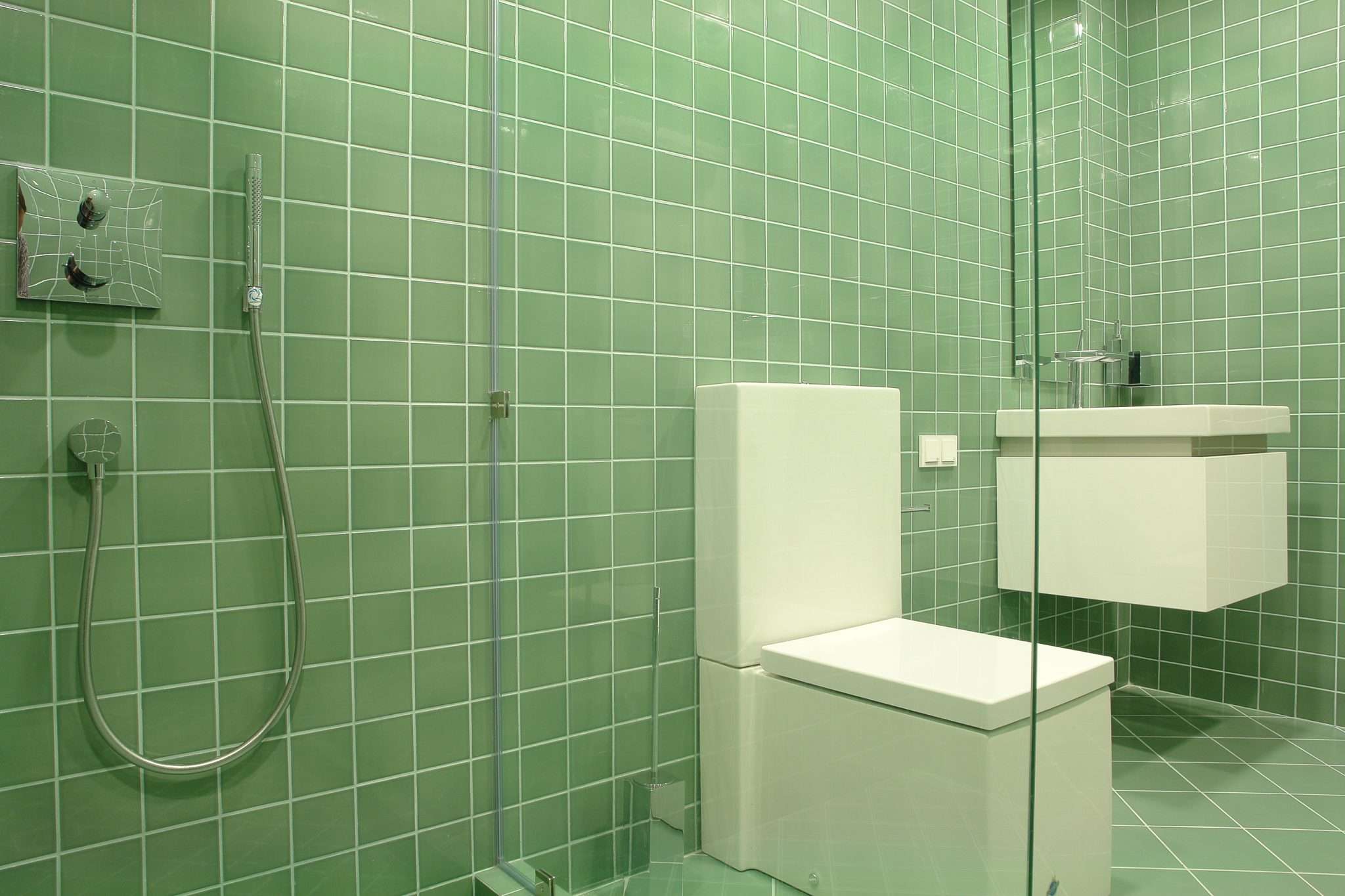
The path to the bathroom and the bathroom itself deserve extra attention when designing a safe and comfortable room for your aging parent.
Consider installing grab bars by the toilet and in the shower to assist with standing and sitting. A shower bench provides security and makes bathing less tiring. Raised toilet seats and lever-handled faucets can make daily routines much easier for those with limited mobility in their hands or arms. If possible, try to keep the bathroom on the same level as your parent’s room to eliminate unnecessary stair use.
Safety doesn’t mean a space should feel sterile or dull. Bring in elements that give the room warmth and personality. Hang treasured family photos, display favorite books, or add a blanket in a familiar color or pattern. Include a comfortable chair for reading or relaxing, and maybe a small table for hobbies or snacks. Adjustable lamps, blackout curtains, or soft music make a space cozier and can help create routines that foster well-being.
Designing a safe and comfortable room for your aging parent brings peace of mind to both you and your loved one. Take these steps to get started on building a room your loved one can truly call home.


